

Sustainability is no longer just a trend. Instead, it is now a global goal. Today, jewelry buyers want beauty, and they also want to protect the planet. Because values continue to change, people think more about what they buy. As a result, many now ask a clear question: are lab grown diamonds a greener and better choice for Earth?
The short answer is yes, but it helps to look deeper. First, lab grown diamonds form in safe labs instead of large mines. Because of this, they avoid heavy digging and protect the land. As a result, they cause less harm to nature. Also, they offer the same shine, strength, and hardness as mined diamonds. In fact, they look and feel the same. So, many buyers now see them as a smart and greener choice in today’s diamond market.
However, judging sustainability is not always easy. First, you need to look at many factors that affect a diamond’s impact. For example, energy use, growth methods, and supply steps all matter. Next, see how the diamond is made. Then, compare it with mined stones. Finally, think about how it affects the planet and the workers involved.
Now, let us look at each point step by step. Then, we can see if lab grown stones truly deserve the name greener diamonds.
What Are Lab Grown Diamonds?
Lab grown diamonds are real diamonds made in modern labs. First, experts use safe steps to copy how diamonds grow in nature, as explained by the International Gemological Institute(IGI). Because of this, the stones have the same carbon build as mined diamonds. They also shine the same and feel just as strong. In addition, they pass the same quality tests. For this reason, many buyers now see them as a smart and green choice.
First, they rank 10 on the Mohs scale, so they are very hard and strong. Also, they shine with the same bright sparkle. In fact, even trained experts need special tools to see any difference between mined and lab grown diamonds.
However, the main difference between mined and greener diamonds is how they form:
- Natural diamonds form deep below the Earth. Over time, they grow under strong heat and pressure.
- Lab grown diamonds form above ground, and they grow in just a few weeks.
Because of this origin difference, the debate on sustainability continues to grow. As a result, more people now look for greener diamonds.
How Lab Grown Diamonds Are Made (HPHT and CVD Methods)
First, scientists grow greener diamonds in safe labs. They use two simple and controlled methods:
HPHT (High Pressure High Temperature)
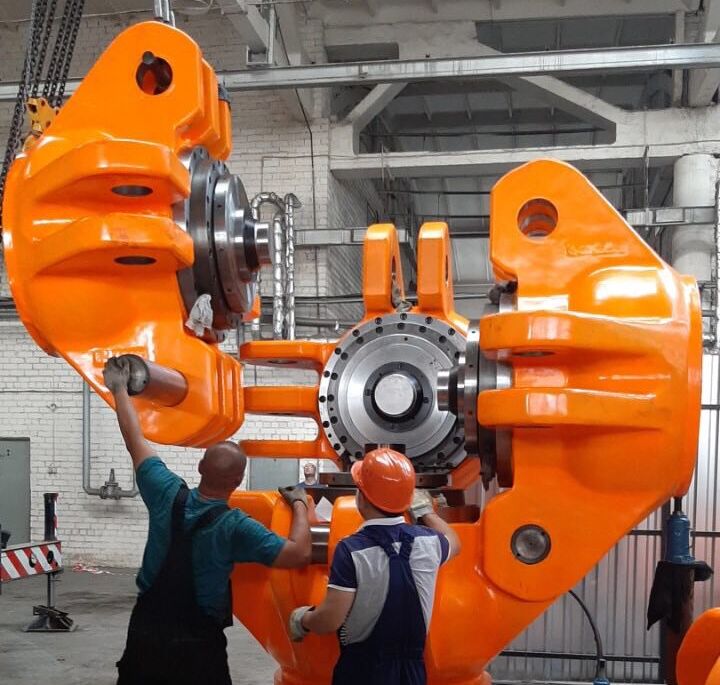
The HPHT method copies how diamonds grow deep inside the Earth. First, makers place a small diamond seed in pure carbon. Then they add very high pressure of 5–6 GPa and heat of about 1,300–1,600°C. As a result, the carbon melts and forms around the seed. Over time, it turns into a strong and bright diamond used in greener diamond production.
HPHT uses a lot of energy, but it also makes strong and high quality diamonds. However, when makers use clean and renewable power, the process becomes safer for the earth. As a result, greener diamonds stay strong and, at the same time, help protect the planet.
CVD (Chemical Vapor Deposition)
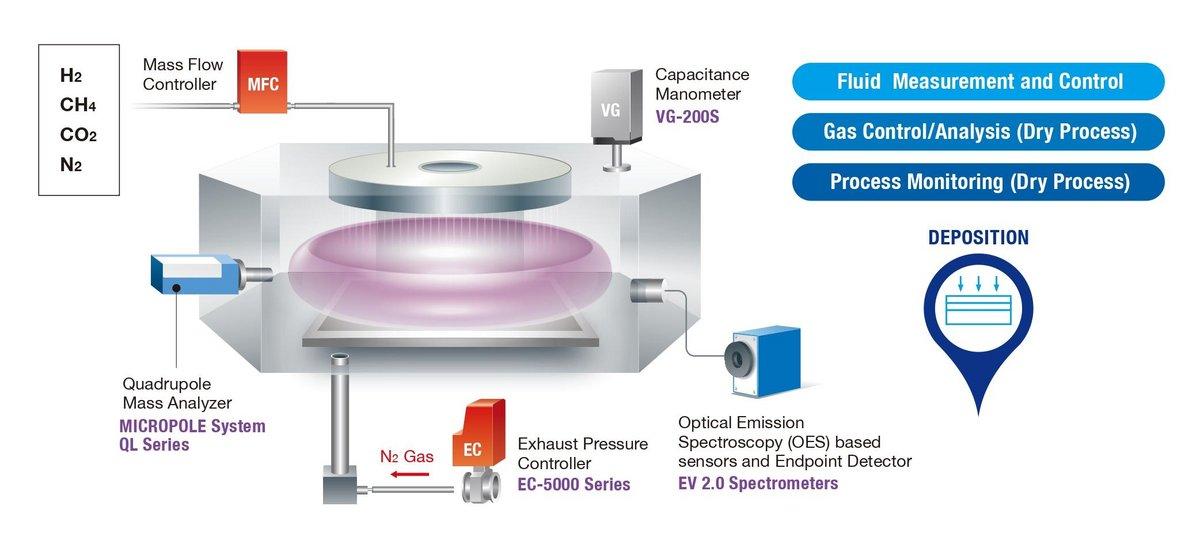
CVD is a modern and simple way to grow diamonds in a safe space. First, experts place a small diamond seed in a sealed chamber. Then they add methane and hydrogen gas. Next, they heat the gas into plasma. As a result, carbon atoms separate and slowly build layer by layer on the seed. In time, this step-by-step process creates a real diamond with bright shine and strong quality.
Because CVD gives better control of color and clarity, makers work with great care. As a result, they get steady results and create less waste. In addition, when they use clean energy, they make greener diamonds in a safe and simple way.
Comparison with Natural Diamonds
Lab grown and mined diamonds may look the same, but they come from different places. Because of this, their effect on the planet can be different. As discussed in our guide on Lab Grown vs Natural Diamonds origin plays a key role. As a result, many people now talk more about greener diamonds and why this choice matters.
| Feature | Natural Diamond | Lab Grown Diamond |
|---|---|---|
| Formation Time | 1–3 billion years | 2–8 weeks |
| Source | Mined from Earth | Created in laboratory |
| Hardness | 10 Mohs | 10 Mohs |
| Appearance | Identical sparkle | Identical sparkle |
| Environmental Impact | High due to mining | Lower due to no excavation |
| Carbon Footprint | Higher | Lower (varies by energy source) |
| Price | Premium pricing | 30–50% lower |
At first glance, you may see no clear difference between mined stones and greener diamonds. In fact, both follow the same 4Cs: cut, color, clarity, and carat weight. Also, experts grade them by the same rules. Because of this, they shine in the same way. So, buyers can trust both with full confidence.
However, if buyers care most about the planet, the source of the diamond matters more. Therefore, many people choose it only if they see it as a truly greener option.
Environmental Impact of Mined Diamonds
Diamond mining can harm land, water, and air. When people learn about this damage, they see why many buyers now choose green diamond options that are safer for the planet.
Land Disruption
Open pit mining takes away soil, rocks, and plants from the ground. The land cannot return to its old state. Forests fade away, and animals lose safe places to live. This damage makes greener diamond options stand apart.
Mining can damage land where animals and plants live. In many places, old mines stay harmed for years. Even after repair work, nature may not fully recover. Because of this, many people now look for greener diamond choices. Deep mining can also make the land weak and cause slow ground shifts, which increase risk to the area.
Water Consumption
Mining operations consume enormous amounts of water to separate diamonds, control dust, and process materials. This heavy usage highlights why buyers seek greener diamonds.
High water use can lower water levels in dry places. People who live nearby may not get enough clean water each day. This can cause problems for families and for the land. Dirty water can flow into rivers and into water under the ground. It can carry soil and harmful metals that damage plants and animals.
Carbon Emissions
Mining uses heavy diesel machines and big trucks every day. They burn fuel and send smoke into the air. Lab grown diamond labs often use clean power instead.
After mining, companies send diamonds to other countries for cutting and polishing. These long trips use more fuel and add more pollution to the air. Greener diamonds often travel less distance, so they create less pollution. From start to sale, natural diamonds cause more harm to the air, so greener choices help protect the planet.
Waste Production
Mining creates huge piles of waste rock. Workers move tons of soil to find one small carat. Lab grown diamonds do not need deep digging.
Poor waste control in mining can damage soil and water for many years. It can harm nearby land and affect local people. Managing mining waste remains a big challenge. Lab grown diamonds do not require deep digging in the earth. They create less waste and help lower harm to nature and the environment.


